
Comfort vs Looks

This can be a tricky but necessary subject to discuss with clients, as nobody wants to feel like they’re choosing the wrong thing, especially when it’s something they love the look of. I completely understand this because, like most of us, I’m drawn to things because they’re beautiful first. If something doesn’t catch my eye, I’m not interested, no matter how practical it claims to be.
But after years of observing how people live with and use their gardens, I’ve learned that comfort and looks need to be in a constant, quiet negotiation with each other, and when that balance tips too far one way, it can end in disappointment.
Where it starts
Most people start with how they want their garden to look. They use images, things saved on Instagram or Pinterest, something they’ve seen in a hotel or a friend’s place, and think, “I want that feeling.”
That’s not wrong. It’s natural. Gardens are emotional spaces; we want them to feel calm, stylish and inviting, and we want them to reflect us. But where things often go off track is when the visual idea becomes fixed too early, before anyone has thought properly about how the furniture will be used and how it will work for them.
Low furniture that looks great - until you sit down
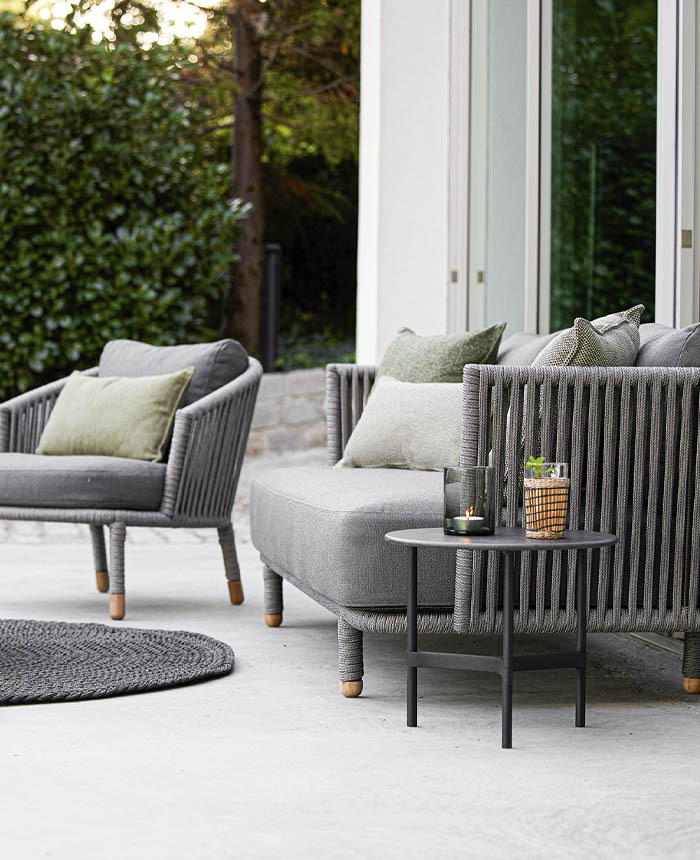
Low-slung furniture is fashionable at the moment. It looks relaxed, modern, almost beach-like and, in the right setting, it can be lovely. But what people don’t always think through is how that feels after ten or twenty minutes, when you’re holding a drink or when you need to get up and down repeatedly.
If you’re young, flexible and happy sitting close to the ground, fine. But for some people, especially over time, low furniture becomes something you admire more than you use. I’ve had people come back and say, “It looks amazing, but we don’t really sit on it,” because whether it suited their bodies, their habits and their everyday life wasn’t fully considered.

The Seat Pad/Cushion Trap
Seat pads and cushions are another big one. Thin seat pads and cushions photograph beautifully; they look neat, minimal and make furniture look light and elegant.
But thin cushions can quickly compress and, once they’ve lost their structure, they stop being comfortable altogether. On the other end of the scale, fully waterproof cushions sound sensible until you realise the water has nowhere to go. Over time, water can seep into the seams, and constant exposure to heavy rain or standing water may cause mould, mildew or rust in certain areas.
Once this happens, the cushions stay damp and you’ll wait far longer for them to dry out. The best cushions are the ones you don’t need to think about: they allow water to drain through and dry out quickly. They hold their shape and, within 30–40 minutes, are good to sit on, even after a downpour.
Significant thought and engineering have gone into making this work; you don’t see it, but you will surely notice when it’s missing.
All of which adds to the overall cost of the product. But if you want furniture that works with the British climate, then it deserves serious consideration.
Well-designed outdoor cushions recover quickly after rain, resist losing their structure and dry fast enough that the furniture remains easy to use. That practicality is often the difference between furniture that simply looks attractive and furniture that people actually use every day.
When style leads the decision too far
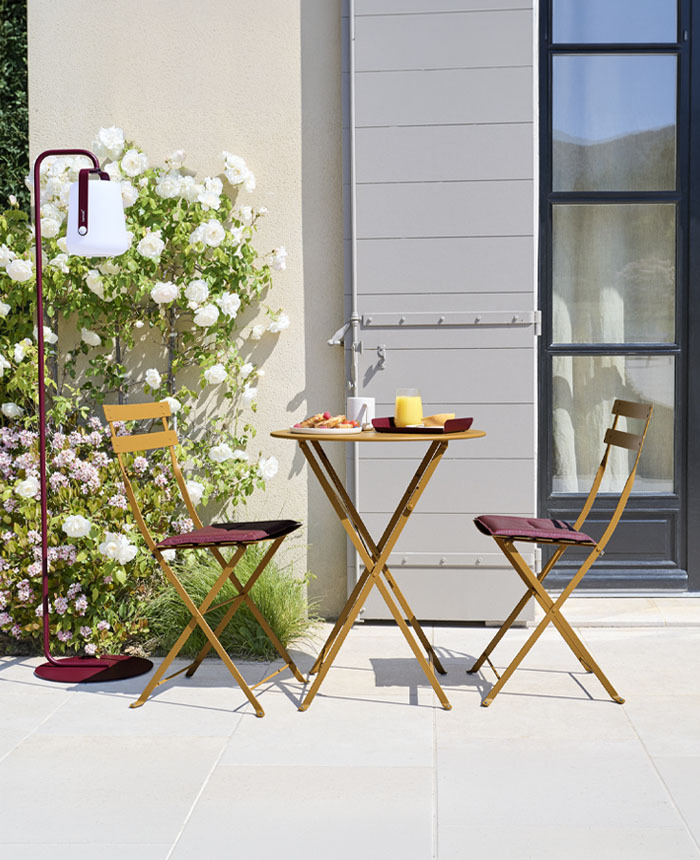
Colour is another area where people often follow fashion instead of common sense. Bright or en-vogue colours are tempting and can look fantastic briefly, in the right setting, the right light and the right season. Gardens change constantly, plants grow, light levels shift with the seasons, and the novelty of what looks good one year can soon wear off.
That’s why I usually suggest keeping the main pieces relatively muted and dressing them with colour instead. Cushions, throws and small tables are easy to change relatively inexpensively without replacing the whole structure.
Furniture lasts much longer than fashion; it's easier to swap a cushion than regret a sofa.

What people don’t say out loud
People rarely say, I want my garden furniture to be comfortable; they say, we want it to look modern or we want something different. Comfort is assumed, but it isn’t automatic. It is carefully considered by the designer and, when it is missing, people adjust their behaviour without really noticing. They sit for shorter periods, choose not to linger, go back inside sooner and stop using the garden as much as they thought they would.
Why this matters more than it sounds
A garden isn’t just another room; it takes more effort. You choose to go outside, sometimes carrying things with you, and you’re exposed to weather, noise and neighbours’ activities. If the furniture isn’t welcoming, if it doesn’t make sitting down feel like a relief rather than a compromise, you simply won’t bother. Comfort matters more outside than inside; indoors you’ll tolerate inconvenience, outdoors you usually won’t.

Finding the right balance
This isn’t about choosing comfort instead of looks; the best pieces do both. They look right, feel right and encourage people to stay.
- Would I want to sit on this for an hour?
- Would I still like it if it didn’t look perfect any more?
- Would I feel annoyed or reassured after using it for a year?
If the answer isn’t clear, I pause before buying, ask others’ opinion and consider it further.
When people insist - and that’s okay
Sometimes people know exactly what they want, even if I have reservations about whether it’s suitable for them.
What I don’t want is someone coming back after six months saying, I wish someone had told me.
What I’ve learned from watching people live with it
The pieces that last, emotionally as well as physically, are usually the ones that quietly do their job. They don’t need to shout or demand attention, but support how people live. Comfort isn’t indulgent; it’s a must, and it turns a garden from something you admire into something you inhabit. Once people experience that and realise they can use their garden as another room, they rarely go back to making rash decisions or skimping on cost over quality. The real value is not in how it looks on day one, but in how it looks and feels on day one hundred.
News
Comfort vs Looks
This can be a tricky but necessary subject to discuss with clients, as nobody wants to feel like...